They Sent Mountain Man a Worthless Bride to Destroy His Ranch She Built the Rich
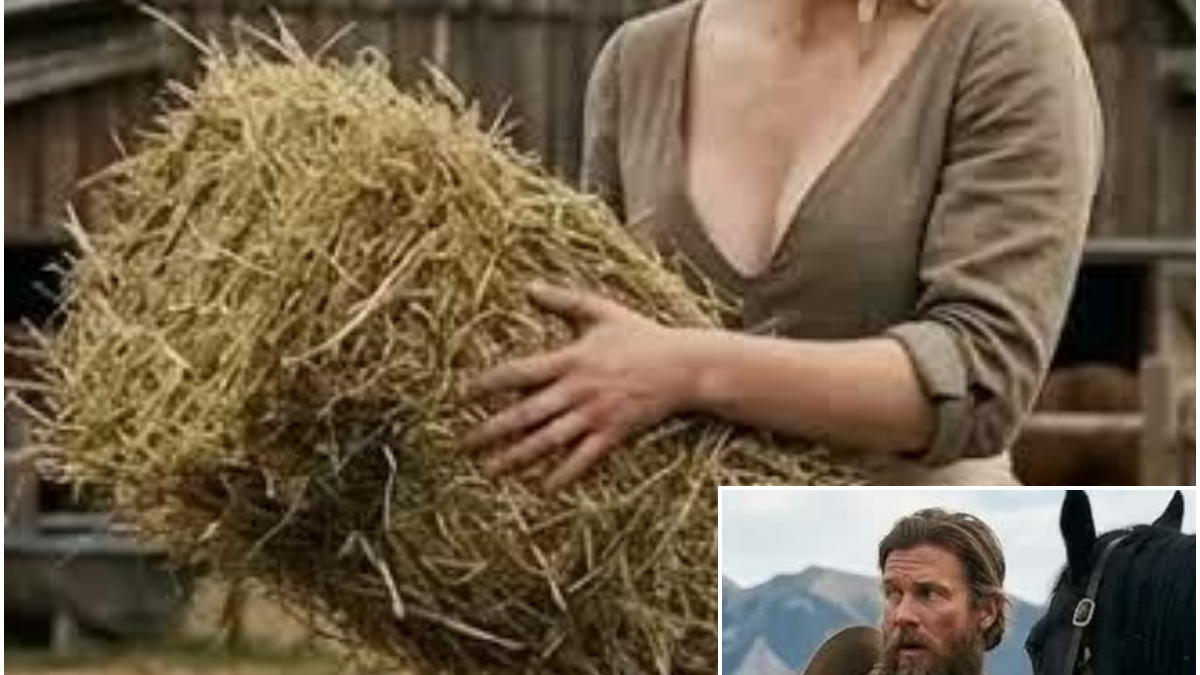
They Sent Mountain Man a Worthless Bride to Destroy His Ranch She Built the Rich
The first thing Clara Whitmore saw at Blackpine Station was a pine crate painted with six cruel words.
Return bride east.
Freight already paid.
Men on the platform laughed as she stepped from the train.

Cold Montana wind pulled at her traveling dress and drove cold dust across her face.
She held one carpet bag and a wooden case.
By proxy, she already carried his name.
Caleb Ror did not laugh.
The mountain man stood beside a mudcovered wagon.
Wolfur lined his buckskin coat.
A knife scar crossed his jaw.
His gray eyes moved from Clara’s polished boots to the crate, then settled on station master Owen Pike.
“I asked for a ranch widow,” Caleb said.
Owen rolled tobacco beneath his tongue.
“Mr. Crowl sent what you deserved.
Clara heard a burst of laughter.
She kept her chin level, though her fingers crushed the carpet bag handle.
Stay with her because the wooden case in her hand held something those men would soon wish they had never mocked.
Caleb lifted her bag into the wagon.
There is an eastbound train tomorrow.
I will not be taking it.
You have not seen my place.
I have seen the men who want me gone.
That answer made him study her again.
The ride into the Bitterrooe foothills took 2 hours.
Snow remained in the high cuts, though September’s sun burned the valley grass yellow.
Caleb spoke only when the wagon reached a trail overlooking his cattle.
“Silus Cra owns the bank,” he said.
“He wants my spring and the north meadow.
The land office gives me 30 days to prove this is a settled family ranch.
Crowell chose you because he expects you to leave.
Clara looked across sagging fences and thin cattle spread beneath the mountains.
He paid my fair, she said, then promised $50 when I returned.
Caleb pulled the horses to a stop.
Why tell me?
Because he ruined my father’s grain company with false debts.
3 months later, my father was buried.
Cra believes empty pockets make obedient people.
The rains creaked inside Caleb’s fist.
Do they?
Clara met his eyes.
Drive on.
His cabin leaned against the wind at the edge of a pine forest.
One shutudder hung loose.
The barn roof dipped in the middle, and the creek beside the coral had shrunk to a silver thread.
Inside, Clara found cold ashes, mouse droppings, and three black potatoes.
Caleb placed the return ticket on the table.
“Keep it dry,” he said, “and you may need it.”
Then he took his rifle and disappeared toward the upper pasture.
Clara removed her gloves.
She split kindling until a blister opened beneath her thumb.
She hauled creek water, scrubbed the table, and burned the potatoes.
By dusk, smoke stung her eyes and blood marked the axe handle.
Caleb returned carrying a dead calf across his shoulders.
He dropped it beside the barn.
A clean cut showed behind one ear.
“Wolf?”
Clara asked.
“Nife.”
While he searched the fence line, Clara opened the narrow case she had carried from the train.
Inside were ledgers, shipping tables, and a brass scale weight stamped with her father’s mark.
She studied Caleb’s sale receipts until lamplight shook across the page.
When he entered, she pushed three papers toward him.
Crawl’s stockyard records each steer 40 lb lighter than your own tally.
His freight charge appears twice.
He has stolen nearly 1/3 of every sail.
Caleb’s face stayed still, but rainwater dripped from his beard onto his clenched hand.
Paper cannot feed cattle.
“No,” Clara said.
“But numbers can tell us who is starving them.”
For 6 days, Caleb waited for her to fold.
Clara rose before daylight.
She learned to milk the kicking brindle cow, patch roof seams with tar, and carry feed without spilling half in the mud.
Each night she added figures while her cracked fingers stiffened around the pencil.
On the seventh morning, she found work gloves beside her plate.
“They belong to my brother,” Caleb said facing the stove.
“Use them or lose your hands.”
By noon, Caleb had ridden north to find the cut fence.
Three horsemen entered the yard from the south.
Their leader wore a fine black riding coat and Crow’s silver cattle pin.
He placed $50 on the porch rail.
Pack your things, Mrs. Ror.
Clara swept the coins into the dirt.
The rider’s mouth tightened.
Behind him, another man slipped from his saddle and walked toward the barn with a kerosene can hidden against his leg.
Clara reached for Caleb’s shotgun.
The first flame climbed the dry hay before her fingers touched the stock.
Then a calf screamed from inside the locked barn.
Clara seized the chopping axe, ran through the smoke, and raised it over the door as the roof began to crack.
The axe struck the barn latch once.
Clara swung.
The door burst outward beneath two coughing calves.
Smoke rolled over her, tightening the skin across her cheeks.
She dropped low and crawled inside.
A mare kicked its stall.
Clara cut its rope, slapped its flank, then followed a calf crying beneath a fallen rail.
Outside, the man in the black coat shouted, “Leave it burning.”
Clara wedged the axe beneath the rail and lifted until the calf pulled one leg free.
A gloved hand seized her ankle.
The rider had followed her inside.
Clara rolled and drove her boot into his mouth.
His grip loosened.
She pulled the calf toward the doorway while sparks rain through the roof.
A rifle cracked across the yard.
The rider released her and stumbled outside.
Caleb galloped down the north trail.
He fired beside the horses, then worked the rifle lever.
The men mounted and scattered toward Blackpine.
Caleb lifted the calf from her arms, carried it clear.
Then returned with wet feed sacks.
They fought the flames until only one wall remained black and smoking.
Clara sat beside the trough, coughing soot into her sleeve.
A burn crossed her wrist.
Caleb knelt and poured cool water over it.
“You should have run,” he said.
“So should the calf.”
His thumb rested beside the burn.
“You could have died.”
Clara looked toward the road where Crowell’s men had vanished.
Then he would have collected his $50.
Caleb wrapped her wrist with a strip torn from his shirt.
His hands stayed around hers a moment longer than the bandage required.
That evening, he dropped the return ticket into the stove.
Winter arrived 12 days later.
Snow sealed the trail and buried the lower fences.
Wind pushed through every split between the cabin logs.
Caleb cut timber until his palms opened.
Clara packed the walls with clay, cooked beside the stove, and kept the ranch accounts beneath her mattress.
Keep close, because what she found in those worn papers would turn Crow’s clever trap against him.
One night, a heer began cving during a white storm.
Caleb tied a rope around his waist and crossed the yard while Clara held the other end inside the cabin.
An hour passed.
The rope went slack.
Clara wrapped it around the stove leg and followed it through waistdeep snow.
She found Caleb beside the shed, pinned beneath a fallen pine limb.
His lips had turned gray.
She dug with a grain shovel until her fingers lost their bend.
Then she dragged him and the newborn calf back together, one foot at a time.
Caleb woke near dawn beneath every blanket they owned.
Clara sat against the wall holding a tin cup between both hands.
You saved three lives yesterday, he said.
Three?
Mine, the calves, and this ranch.
She lowered her eyes to the steam.
By February, they worked without instructions.
Caleb left dry wood near her stove.
Clara repaired his torn shirts before he noticed.
When sleep pulled her head onto his shoulder beside the fire, he remained still until morning.
The ledgers gave Clara more than proof of theft.
They showed which cattle survived hard winters, which bloodlines gained weight quickly, and which rail depots paid honest prices.
She drew a breeding plan across the cabin wall.
“We sell fewer cattle this year,” she said.
“We keep the strongest cows and buy a Heraford bull.
With what money?
With Crows.
She placed his loan contract on the table.
Crowell had charged interest before the signing date.
Under Montana law, the false entry could freeze collection until a judge examined the books.
Caleb read the line twice.
My father taught me where greedy men hide knives.
Clara said she mailed copies to the territorial court and wrote directly to the Northern Pacific Railroad.
Her letter offered winter raised beef without crowl stockyard fees.
The railroad answered in March.
Its buyer would inspect the herd on April 8th.
If 60 sound cattle were ready, the company would advance enough money to clear the ranch note and purchase breeding stock.
On April 7th, Clara awoke to cattle balling beyond the eastern ridge.
The corral gate hung from one hinge.
Every cow was gone.
Caleb found three sets of horse tracks leading toward Breakneck Pass, where spring ice covered a gorge 200 ft deep.
Then a gunshot rolled down from the ridge.
Caleb’s saddle horse collapsed beneath him.
Across the white pass, Crow’s silver pin flashed in the rising sun.
Clara pulled Caleb’s rifle from the fallen saddle and ran toward the stolen herd as cracks spread through the ice beneath their hooves.
Wait, before we move on, what do you think about the story so far?
Drop your thoughts in the comments.
I’m really curious to know.
The ice split beneath the first steer.
A steer dropped to its knees, scrambling as water surged through the widening line beneath its weight.
Clara stopped 10 yards from the herd.
One more shout would send every animal into the gorge.
She lowered Caleb’s rifle and listened through the balling cattle.
Caleb groaned behind her.
The bullet had struck his horse’s shoulder, throwing him against the stone.
He pushed himself upright, blood running from his temple.
“Turn the lead cow,” he called.
“The rest will follow.”
At the front stood the brindle Clara had milked all winter.
“Bess,” the cow lifted its head.
Clara gave the three note whistle she used before morning feed.
Bess turned one ear toward her, but Crowell rode behind the animal and struck its rump with a coiled rope.
The herd surged forward.
Ice snapped beneath two steers.
Clara raised the rifle and fired into the snow beside Crowell’s horse.
The animal reared, knocking him sideways.
His men reached for their revolvers.
Caleb fired from the rocks.
One revolver spun away.
The other rider ducked behind his saddle.
Claraara ran along the solid edge of the pass, whistling again.
Best turned from the gorge and lumbered toward her.
One cow followed, then five.
Then the entire herd bent like a dark river across the snow.
Crow regained his seat.
“You cost me everything!”
He shouted.
He drew his pistol and aimed at Clara’s back.
Caleb struck him from the side before he could fire.
Both men fell from the saddle and rolled onto the frozen crossing.
A black crack raced beneath them.
Caleb reached the rocky bank.
Crow did not.
The ice opened under his boots, dropping him into the rushing water to his chest.
His hands clawed at the white edge as pieces broke beneath his fingers.
Clara pulled a lariat from an abandoned saddle and threw it.
The loop struck Crow’s shoulder.
“Take it!”
She shouted.
He caught the rope.
Caleb wrapped it around a pine trunk, and together they dragged Crowell from the water.
He lay coughing on the bank, his fine coat frozen hard against him.
Cra stared at Clara.
Why save me?
She coiled the wet rope.
I want you standing when they take your bank.
Hooves sounded below the pass.
The Northern Pacific buyer climbed the trail beside a territorial deputy and two stock hands.
The deputy carried a warrant issued after the judge examined Clara’s copied contracts.
He found stolen cattle, armed riders, and Crowell lying beside a dropped pistol.
No speech was needed.
By noon, the deputy had Cra and his men tied across their saddles.
The buyer counted 68 cattle grazing safely below the ridge.
He signed the advanced contract against Caleb’s saddle.
Cra watched the pen move.
Clara handed him the return ticket Caleb had rescued from the stove before it fully burned.
“You may need it,” she said.
The deputy led him toward Black Pine.
That spring, two Herafford bulls arrived by rail.
Their broad white faces drew half the town to the station.
Men who had laughed at Clara now removed their hats when she passed.
She never asked them to.
Caleb fenced the North Meadow and cut irrigation channels from the spring.
Clara negotiated freight rates, selected breeding cows, and sold beef directly to mining camps and railroad crews.
Their first contract cleared the bank note.
The second bought the neighboring valley.
The third paid for a stone house with thick walls, glass windows, and a porch facing the bitter peaks.
6 years after Claraara stepped from the train, the Ror herd numbered 3,000.
Their cattle survived winters that killed softer stock.
Buyers traveled from Chicago and Denver to bid beneath the Black Pine loading tower.
Newspapers called it the richest ranch in Montana.
Clara called it work.
On an October morning, she stood inside the ranch office wearing a dark wool dress, scarred boots, and Caleb’s brother’s gloves.
Ledgers covered one wall.
A map of their land covered another.
Caleb entered carrying the weathered board from the old station crate.
Return bride east.
Freight already paid.
The station master found it beneath the platform, he said.
Clara ran her fingers over the faded letters.
Thought you might want it for your office.
She carried the board outside and dropped it into the branding fire.
Caleb watched the words blacken.
You kept one promise.
Which one?
You said you would not take that train.
Clara stepped close, caught the front of his buckskin coat, and kissed him beneath the falling snow.
Behind them, the loading gates opened.
Their cattle thundered toward the waiting rail cars while the burning board collapsed into red sparks.








